
Bow River Fly Fishing in Wind, And How Smart Anglers Use It to Their Advantage

Wind and fly fishing have had a complicated relationship for as long as anglers have been standing in rivers. Most people step outside, feel a strong gust pushing against them, and immediately assume the fishing day is ruined. On the Bow River, though, wind is rarely that simple.
Some days, wind can make casting frustrating and boat control more difficult. Other days, it can completely change how trout behave, where they position themselves, and even create feeding opportunities that weren't there an hour earlier. Understanding how wind affects Bow River fly fishing can turn a day that feels challenging into one of your most productive trips of the season.
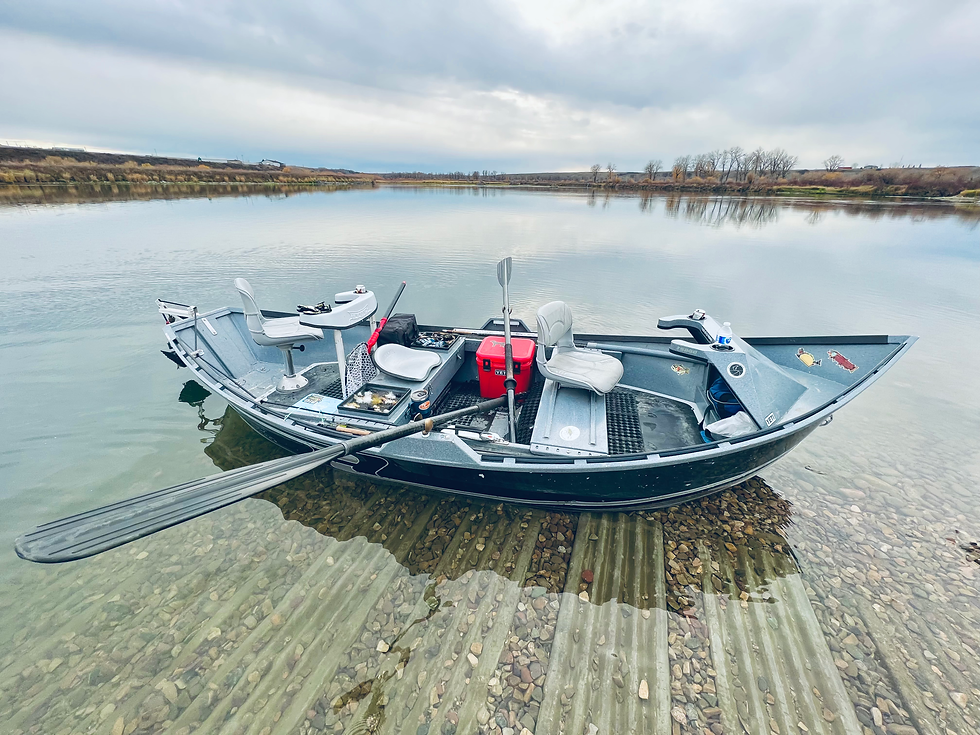
If you spend enough time fishing the Bow around Calgary, you quickly learn that successful anglers don't just pay attention to temperature and water levels. They watch the wind too.
Wind Changes More Than Your Cast
The first thing anglers notice when the wind picks up is usually their casting. A strong headwind can suddenly make an easy presentation feel difficult. Loops open up, accuracy suffers, and delicate dry fly presentations become harder to achieve.
But the trout below the surface are dealing with changes too.
Wind affects the river in several ways. It creates surface disturbance, moves insects around, pushes food into certain areas, and can even alter where fish feel comfortable sitting. While anglers often focus on the inconvenience of wind, trout frequently react to the opportunities it creates.
On windy days, fish often become less cautious because the broken water surface reduces visibility. Instead of staring up through a perfectly calm surface, trout are looking through a moving, distorted window.
That little bit of chaos can work in your favour.
Surface Chop Can Help Hide You
Bow River trout see an incredible amount of fishing pressure. Fish that spend all season watching boats, waders, and flies become selective.
Calm, glassy conditions often mean fish have a clearer view of everything happening above them. They can inspect your fly more carefully and may become much more cautious.
A moderate wind creates surface texture. Those small waves and ripples break up light penetration and make it harder for trout to see details above them.
For anglers, that can mean:
Fish are less likely to spook
Imperfect presentations become more forgiving
Trout may move into shallower feeding water
Streamer fishing can become more productive
Some of the best streamer days on the Bow happen with a little weather moving through.

Wind Can Move Food Sources
Wind doesn't only affect the water surface. It also influences what ends up in the river.
Strong gusts can knock terrestrial insects like ants, beetles, and grasshoppers into the water during warmer months. Wind may also push emerging insects into softer seams or river edges where trout can feed efficiently.
If you've ever had a slow day suddenly come alive after an afternoon breeze rolled in, there's a good chance food movement had something to do with it.
Trout are opportunistic. If the river suddenly starts delivering easy meals, fish notice quickly.
Boat Positioning Gets More Challenging
If you're floating the Bow River, wind becomes a larger factor than many anglers realize.
Heavy crosswinds can push drift boats off productive lines and make maintaining ideal speed difficult. Strong gusts can force constant corrections and create less-than-perfect drifts.
For guides and experienced rowers, wind often changes the day's approach completely. Instead of fishing open water sections aggressively, they may focus more on protected banks, deeper structure, and areas where fish can avoid heavy current movement.
Sometimes fishing smarter simply means adjusting your plan instead of fighting conditions.
Not All Wind Is Equal - Bow River Fly Fishing in Wind
There's a difference between a light breeze and the kind of Alberta wind that makes you question your life choices.
Light to moderate wind can often improve fishing conditions. Once wind becomes extreme, though, the challenges usually start outweighing the benefits.
Very strong wind can create:
Difficult casting conditions
Poor drift control
Reduced presentation accuracy
Safety concerns while floating
Faster angler fatigue
The key isn't automatically cancelling a fishing trip because wind is in the forecast. It's understanding how much wind you're dealing with and adapting accordingly.
Fishing Smarter When the Wind Picks Up
If the forecast shows wind on your next Bow River fly fishing trip, a few adjustments can make a big difference.
Shorten your casts rather than forcing long presentations into heavy wind. Fish protected riverbanks whenever possible. Consider larger, easier-to-turn-over flies if conditions become difficult. Streamers often perform extremely well when weather becomes less stable.
Most importantly, stay flexible.
Some of the best fishing days happen when conditions aren't perfect.
The Bow River has a way of rewarding anglers who adapt rather than those waiting for ideal weather.
Final Thoughts
Wind changes Bow River fishing, but not always in the way people expect.
Yes, it can make casting harder and force you to work a little more. But it can also reduce fish caution, reposition trout, move food into feeding lanes, and create opportunities that simply don't exist on calm days.
The next time you see a windy forecast before a day on the water, don't automatically write it off.
You might just be looking at one of your better fishing days.

Comments